
Are you on the edge of something?
The edge of your capacity to keep working the hours you’re working.
The edge of how much time and energy you can keep investing in others.
The edge of your ability to cope — to continue the way you have been.
And maybe it’s not only the edge of endurance.
Maybe it’s the edge of discernment.
A quiet knowing that something is coming.
A new project. A new program. A new way of doing the work.
A new way of being in your life.
But you can’t quite land it yet.
If that’s you, it may not be a sign that something is wrong.
It may be a sign that something is right.
Sometimes the discomfort is the moment your inner life starts telling the truth:
the old way can’t carry what’s emerging now.
Why "Centered on the Edge" Now?
People helpers are navigating real conditions:
-
increasing complexity and acuity
-
workforce constraints and constant change
-
vicarious stress, compassion fatigue, moral distress
-
pressure to “hold it together” while carrying the system’s edges
For many leaders, the strain isn’t because they don’t care.
It’s because they care so much — and the role has outgrown the strategies that used to work.
This is often the moment where a deeper question appears:
How do I keep showing up with heart — and lead well — without being run by urgency, reactivity, or my personality’s default patterns?
That’s the work.
What Makes This Program Different
Most leadership programs add skills.
Centered on the Edge grows the inner capacity from which skill is expressed.
This program integrates three strands:

Insight into your patterns
We use the Enneagram as a map of automation — the predictable personality patterns that keep you caught:
-
how you react under stress
-
what you avoid
-
what you overdo
-
the roles you unconsciously take on (rescuer, controller, achiever, pleaser, fixer, withdrawer, etc.)
-
how conflict and pressure narrow your options
This isn’t about labels.
It’s about freedom — learning to recognise the pattern while it’s happening and returning to choice.

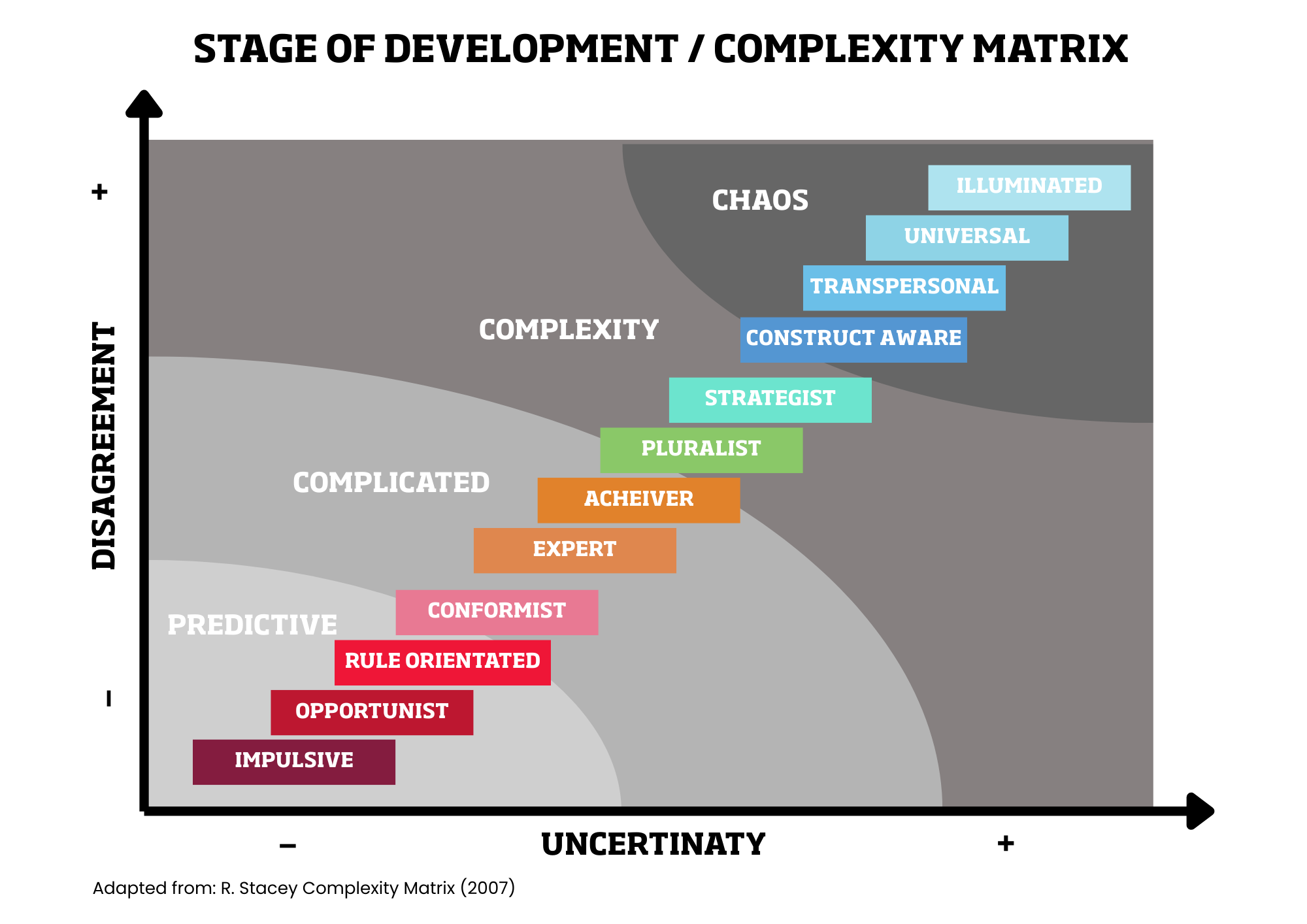
Developmental clarity
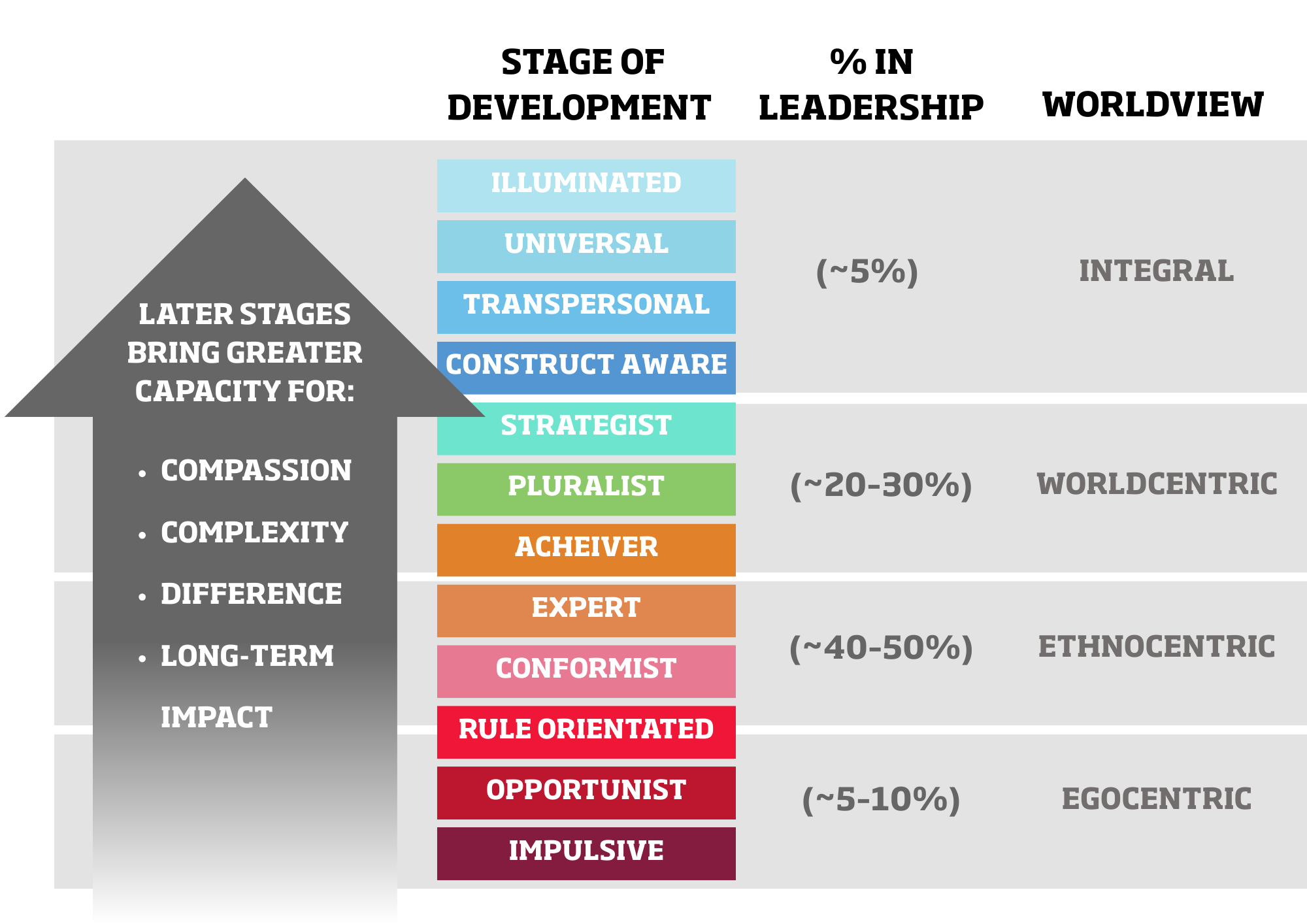
We also use a stages-based assessment to support a different kind of insight:
Not just what you do…
but how you make meaning of what you’re living.
This helps you locate:
-
where you are developmentally (your current “centre of gravity”)
-
what your next edge is asking of you
-
what capacities are trying to emerge: discernment, complexity-holding, integration, moral steadiness, relational maturity
In plain terms:
where you are, what’s next, and what practices actually help you grow.

Contemplative practice
We draw from meditation and contemplative practice — not as a spiritual hobby, but as a leadership technology:
-
strengthening attention
-
stabilising the nervous system
-
widening perception
-
sensing what’s here (and what’s coming)
-
developing the capacity to stay present with discomfort without reacting
This is the ground for:
-
better facilitation
-
clearer decision-making
-
stronger relational leadership
-
and the ability to “read the room” from a regulated, steady centre
WHAT YOU’LL LEARN TO DO
You’ll strengthen the capacities that matter most in people-helping leadership:
-
self-regulation (less reactivity, more stability)
-
discernment (hearing what’s true beneath noise)
-
relational leadership (staying connected through tension and difference)
-
facilitation (holding groups through complexity, not just managing agendas)
-
room-reading (noticing system dynamics, not just content)
-
transformational influence (being an agent of change without force)
This is about participating in a larger unfolding of capacity and consciousness — not as theory, but as lived experience.



Who this program is for
This program is for you if you’re a “people helper” who:
- Leads or influences others in community services, health, education, local government, social services, or not-for-profit work
- Carries emotional load and responsibility daily
- Feels stretched by complexity, urgency, and competing needs
- Wants to keep making a difference — without losing yourself in the process
- Senses there’s a “more” emerging, but it isn’t fully formed yet
- Wants to grow your capacity to lead with presence, discernment, and relational intelligence
This isn’t for you if you’re looking for:
- A quick fix
- A purely technical training
- More information without inner change
This is formation-level work — practical, grounded, and deeply human.
Program Overview
Duration: 6 months
Cohort: 8–14 leaders
Program dates: March – September 2026
Commitment includes:
What's Included
Over six months you’ll receive:
-
3 in-person cohort intensives (full-day, offsite)
-
Monthly 1:1 coaching sessions (focused on real scenarios)
-
Enneagram assessment + debrief (automation + growth path)
-
Stages-based adult development assessment + debrief (where you are + what’s next)
-
Guided contemplative practice (simple, doable, repeatable)
-
Program materials + tools to support integration
-
Small cohort community (the depth you can’t get alone)
Investment: $2,500 - $3,500
The final investment depends on whether participation is self-funded or supported through organisational sponsorship.
What changes for Participants
You won’t leave with a binder of strategies you never use.
You’ll leave with:
-
clearer inner authority and steadier presence
-
practical ways to regulate and recover under stress
-
better conflict capacity (less avoidance, less escalation)
-
stronger boundaries without shutting down care
-
increased facilitation confidence and room-reading ability
-
deeper discernment about what’s next for you and your work
-
the felt sense of being able to participate in change — without force
This is what it means to be centered on the edge:
able to stay present with what’s emerging, rather than reacting from what’s collapsing.
Cohort + Details
Duration: 6 months
Group size: [8–14]
Location: [Forth / North West Tasmania]
Dates: [Add dates]
Time commitment: [Simple estimate – e.g., “1 cohort day every ~8 weeks + 1 coaching session monthly + small practices between”]
Small cohorts are intentional. This work requires enough safety for honesty, and enough difference for growth.
About Your Facilitator
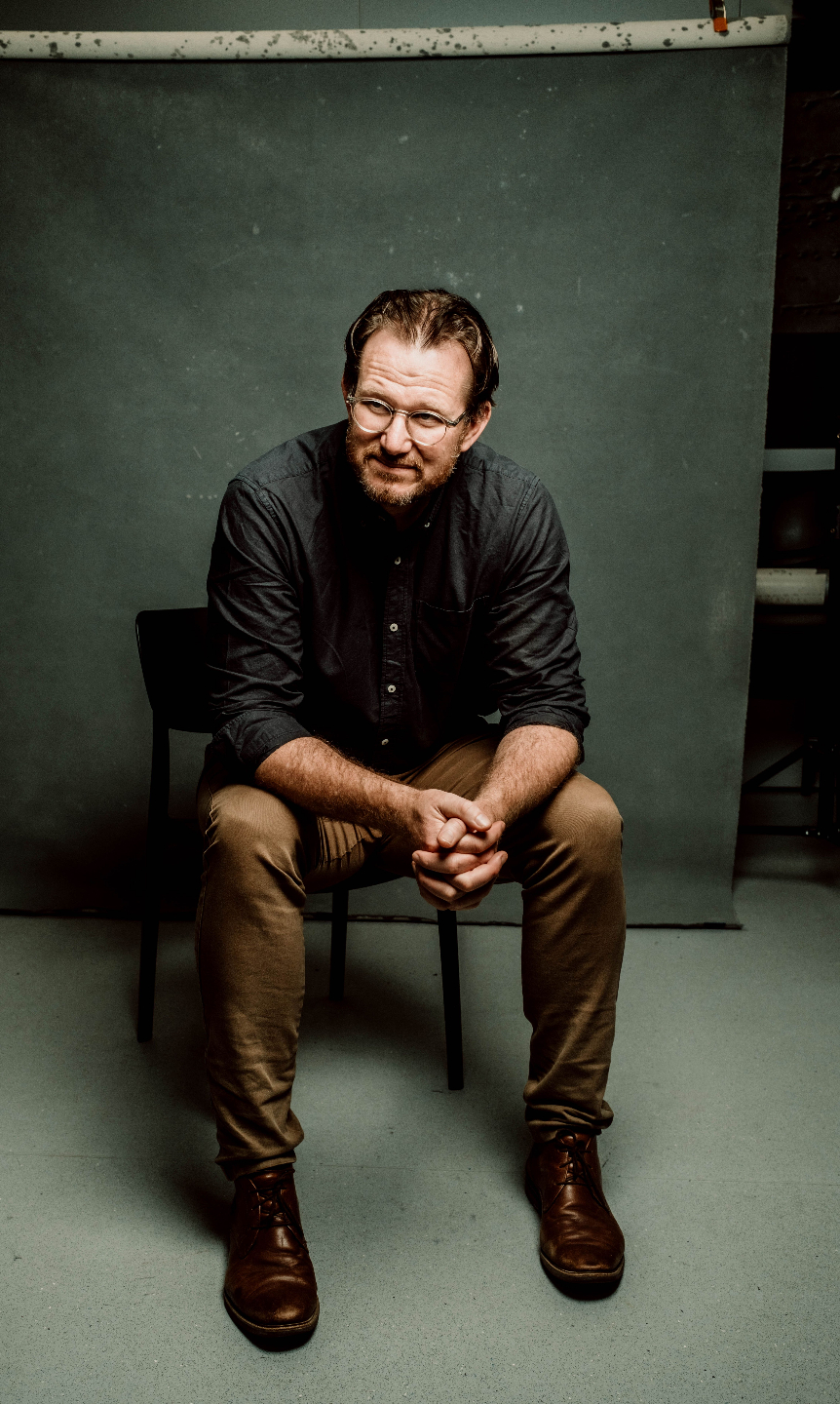
Ben Pangas is a leadership development specialist, counsellor, and certified developmental coach with more than twenty years’ experience working across construction, education, and community development.
His work sits at the intersection of professional leadership practice, adult developmental psychology, and contemplative formation. Ben specialises in supporting leaders who are navigating complexity, responsibility, and change — particularly within values-driven and faith-informed contexts.
Ben holds a Master’s degree in Coaching Psychology and a Bachelor’s degree in Counselling and Coaching, along with qualifications in youth and community work, training and assessment, and counselling. He is also a graduate of the Center for Action and Contemplation’s two-year formative Living School program.
Before moving into leadership development, Ben spent more than a decade working in the construction industry. This background gives him a grounded understanding of operational realities, accountability, and the pressures leaders face in complex, real-world environments.
This combination of practical experience and developmental expertise shapes Ben’s approach. He does not work by offering quick fixes or techniques, but by supporting leaders to grow the inner capacity required to lead with clarity, maturity, and integrity in demanding contexts.
Ben has facilitated leadership development, coaching, and formation programs across community services, health, local government, and faith-based organisations. His work is known for being thoughtful, rigorous, and deeply human — integrating reflective practice, developmental insight, and practical application in ways that translate into lasting impact.
The Retreat
Transformational Learning
- Space
- Solitude
- Silence
- Spirit