
Who It’s For
Leadership Formation is designed for organisations and leadership teams operating in complex, high-responsibility environments where leadership behaviour directly shapes culture, safety, performance, and trust.
It is best suited to:
- Middle to senior leaders with people and culture responsibility
- Leadership teams who lead together, not just individually
- Organisations navigating complexity, pressure, or change
- Teams where culture is inconsistent, fragile, or heavily leader-dependent
- Organisations ready to invest in depth, not just volume of development
It is not designed for early-career leadership exposure programs or one-off motivational development.
“It’s been the most rewarding and challenging training I’ve done...
I wish I had done this course 10 years ago."
— Kent
Team Leader, VOS Group
Program Snapshot
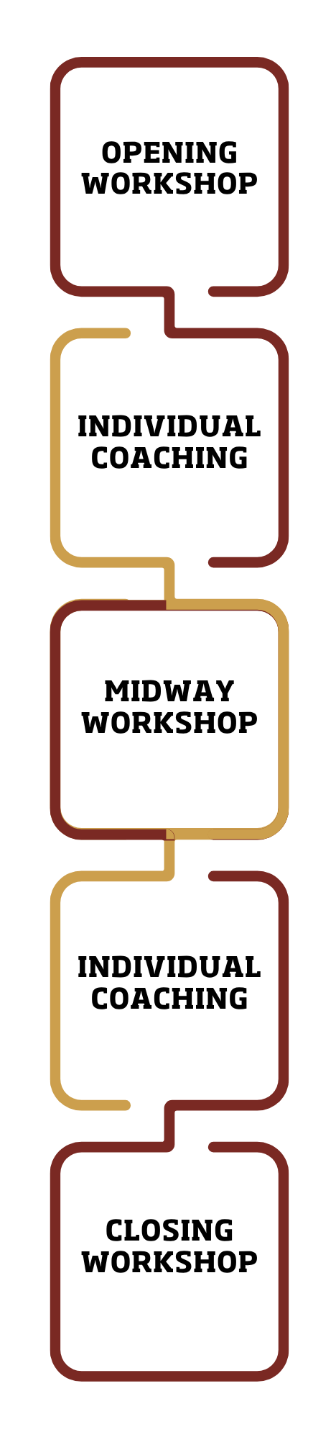
- 6 months
- In-person delivery (onsite or offsite)
- Group-based learning
- 3 full-day workshops
- 5 individual coaching sessions
- Structured to fit within your work schedule
"Leadership development asks what you can do, Leader formation asks who are you becoming..."
Why This Program
Inside-Out Leadership Development
Most leadership programs focus on external inputs: ideas, models, skills, and inspiration.
Leader Formation works from the inside out.
It supports leaders to grow not only in competency, but in capacity expanding their ability to:
- Stay grounded under pressure
- Engage conflict without avoiding or escalating
- Hold ambiguity without becoming brittle
- Work with competing perspectives when stakes are high
- Lead people, culture, and performance with greater steadiness
This is where observable shifts begin not just in what leaders know, but in how they listen, decide, and act.
Program Overview
Workshop 1 — Opening / Foundations
Establish awareness, intention, and leadership baseline
Workshop 2 — Collective Debrief
Deep dive into assessment insights and shared patterns across the group
Workshop 3 — Integration & Re-entry
Translate learning into organisational impact and strengthen sustained application
5 x Individual Coaching Sessions
One-on-one coaching with senior Executive Coaches.
Focused on:
- Personalised leadership development
- Applying learning to real workplace challenges
- Accountability, reflection, and integration over time
Traditional Development
- More information
- More tools
- More skills
- More models
- More behavioural tips
Leader Formation
- Wider and longer perspective taking
- More self-awareness and choicefulness under pressure
- Better judgment in complexity
- More compassionate, mature
- Deeper integration into real leadership challenges
How Leader Formation works
Leader Formation supports developmental growth through three interwoven elements:

Developmental clarity
See more clearly how you are currently leading, and what growth is now being asked of you.
We begin by helping leaders understand how they are interpreting their role, their relationships, and the pressures they carry. What often feels like recurring stress or stuckness can begin to make sense as a developmental edge.
This includes:
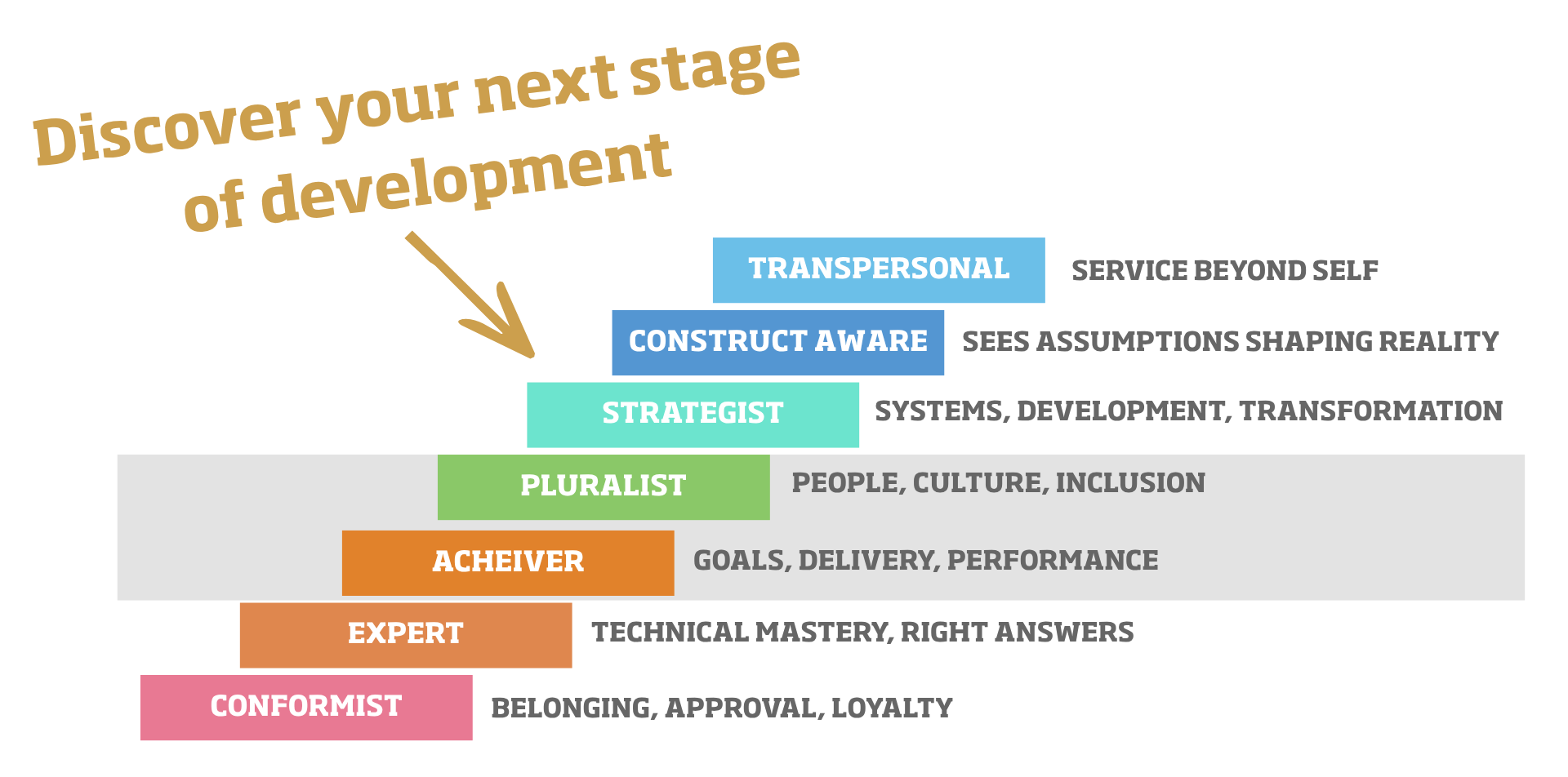
- A STAGES of Development assessment
- A guided debrief in the leader’s real context
- Reflective inquiry to surface hidden assumptions, recurring patterns, and the limits shaping behaviour
This brings persistent challenges into clearer view so growth becomes more intentional, focused, and meaningful.

Formation Practices
Develop the presence, discernment, and steadiness needed to lead well under pressure.
This program does not focus on behaviour change alone. It works at the level beneath behaviour, strengthening the awareness, regulation, and presence from which leadership action arises.
Practices may include:
- Reflective practices that strengthen self-observation
- Somatic awareness and regulation practices
- Conscious Leadership frameworks
- The iEQ9 Enneagram, used to help distinguish personality habit from deeper presence and choice
These practices help leaders become less reactive, more grounded, and better able to respond well in demanding environments.

Coached Integration
Turn insight into lived leadership.
Insight matters. But leadership shifts when insight is applied in real time, in real situations, with support.
Through one-on-one coaching, leaders work directly with the live challenges of their role, including:
- Conflict
- Accountability
- Decision-making
- Influence
- Performance conversations
- Team culture
This is where growth becomes embodied, not just understood, but practised where it matters most.
The Tools we Use:
Evidence-based insight is not an optional extra in Leadership Formation, it is the starting point for insight and integration.
Each participant engages in a structured developmental assessment process, which forms the foundation of coaching and group learning.
The tools used include:
- iEQ9 Enneagram Report
- A 360° Leadership assessment
- An adult stage of development diagnostic
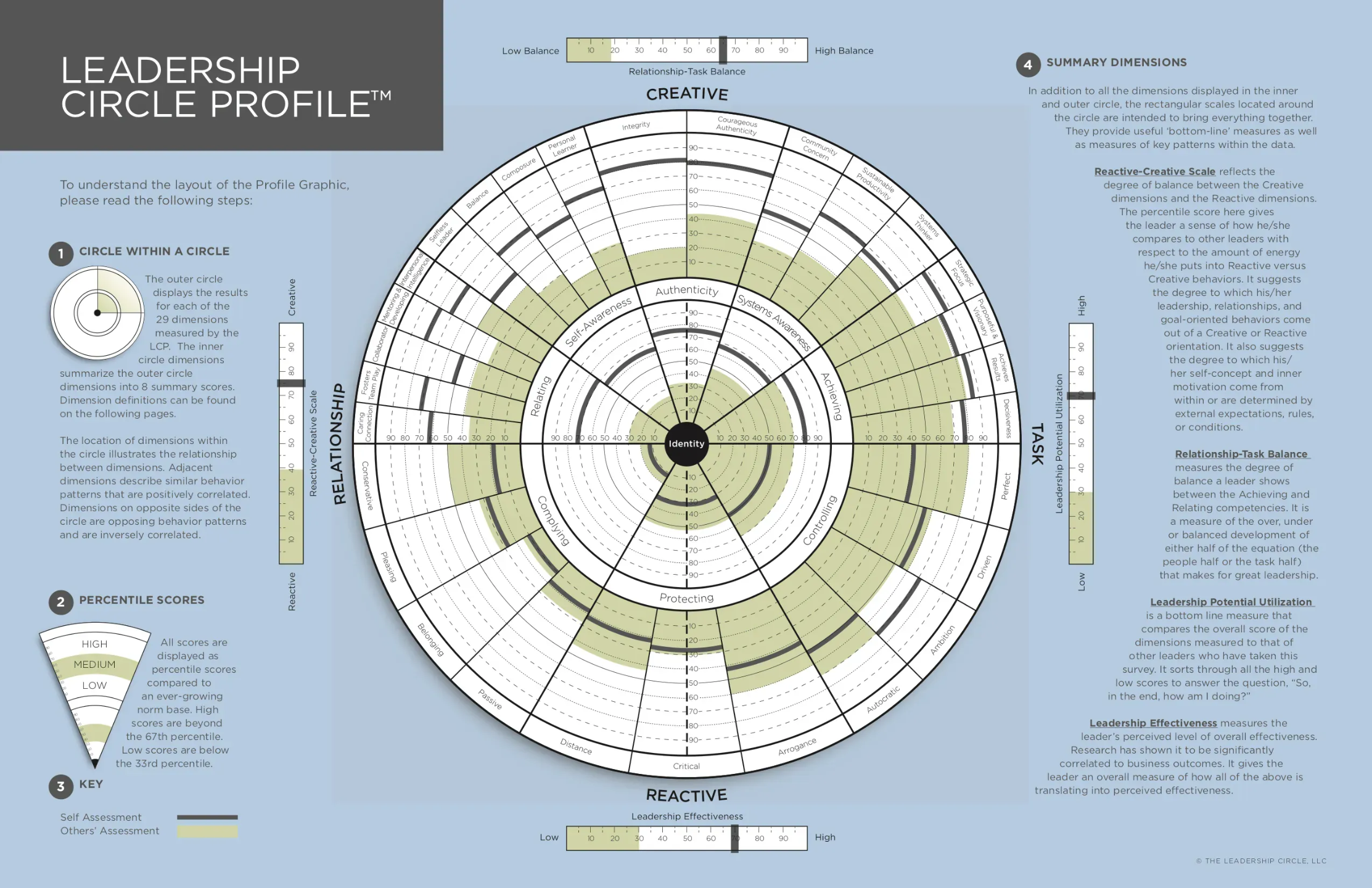
These are not used for categorisation or profiling. They are used to surface:
- Reactive leadership patterns
- Strengths under pressure
- Hidden behavioural defaults
- Gaps between intent and impact
- Leadership blind spots within teams
Insights from these assessments are explored in both individual coaching sessions and shared cohort learning, creating a common language across the leadership group.
This ensures development is not abstract, it is anchored in real beahviour patterns, not theory.
“The assessments gave me language for things I’d sensed for years, and the coaching helped me actually change them.”
- Luke
Grange Resources Tasmania
What Organisations Gain
As leaders grow, organisations begin to experience:
- More consistent leadership behaviour across teams
- Stronger trust, accountability, and psychological safety
- Better quality feedback, performance, and expectation-setting conversations
- Less reactivity, avoidance, and interpersonal friction in leadership culture
- Greater alignment between organisational values and day-to-day leadership behaviour
- More cohesive leadership language and standards across the group
- Improved team stability, communication, and follow-through
- A stronger leadership culture able to handle complexity without losing clarity
“This wasn’t just professional development, it fundamentally changed how our leadership team operates.”
— CEO
The Formation Difference
Most leaders have been developed for technical competence, delivery, performance, and problem-solving.
Those capacities matter. They get people a long way.
But when leadership shifts from getting the work done to shaping culture, navigating complexity, and leading through uncertainty, technical capability is no longer enough.
This is the formation gap.
It is the gap between what leadership now demands of people and the inner capacity many have been supported to grow.
Not because they have failed.
Not because they do not care.
But because what got them here will not get them there.
Leader Formation addresses this gap by developing the quality of presence, discernment, and maturity from which leaders listen, decide, relate, and lead.
Learn MoreOutcomes in Real Organisations
What changes when leadership formation becomes part of how organisations develop leaders.
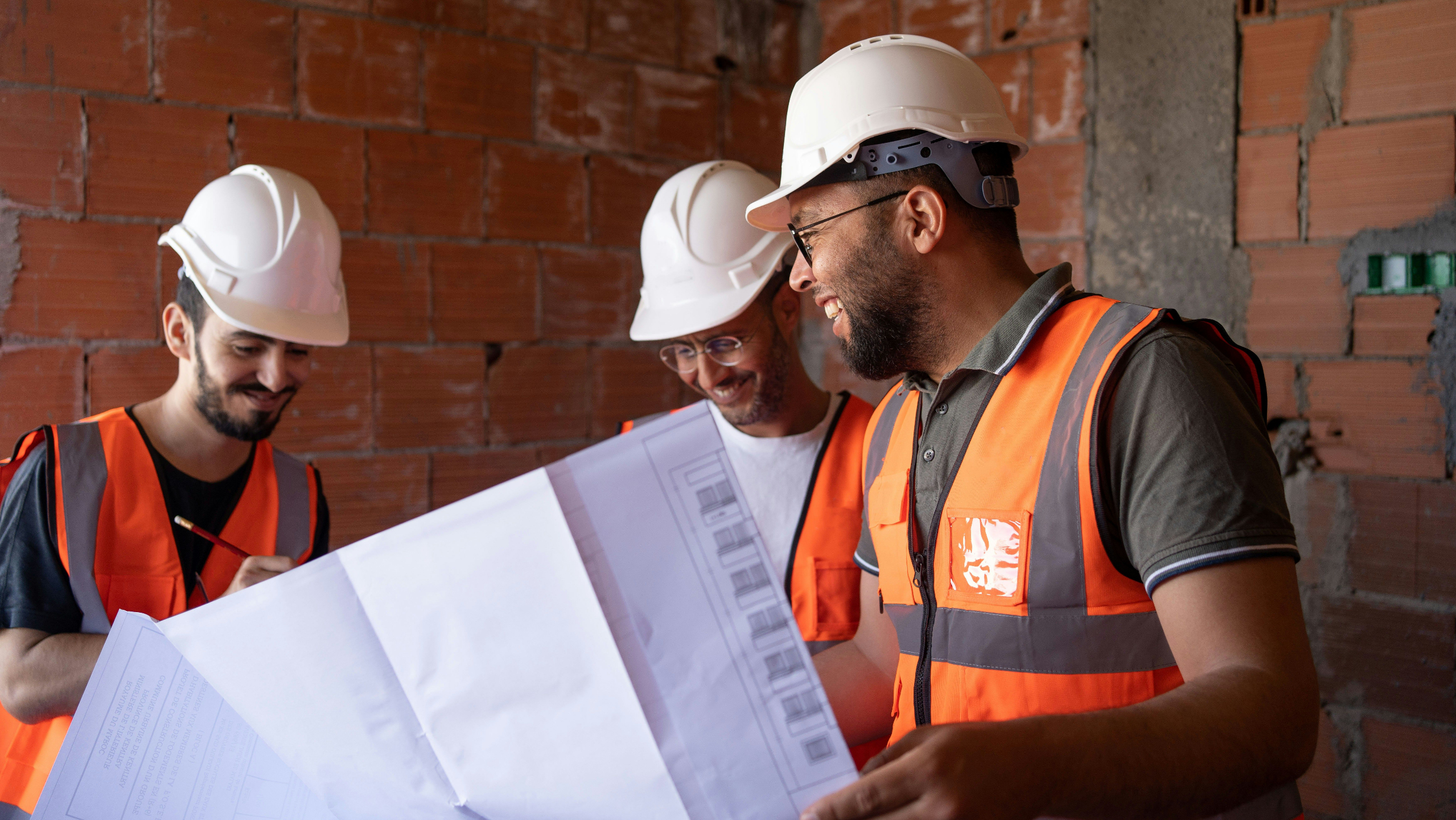
Yard Leadership Development
Six-Month Upskilling Leaders Program (current & emerging yard leaders)
A Tasmanian building and construction group delivered a six-month leadership program for yard-based leaders to strengthen people leadership in operational environments.
Impact:
- Cohort average: 3.94/5 (eight outcomes)
- Confidence as a leader: 2.5 → 4.0 (+1.5 uplift)
Strongest gains included (avg 4.25/5):
- Responsibility without blame
- Understanding stress patterns
- Performance conversations
Reported shifts included:
- Less reactivity and earlier, more direct performance conversations
- Stronger delegation and team initiative
- More consistent leadership under pressure
These shifts support stronger front line leadership and improved team performance.

Mining Leadership Formation
Six-Month Leadership Program (multi-cohort, operational leaders)
A major Tasmanian mining operator invested in a six-month leadership formation program to strengthen leadership under operational pressure across multiple cohorts.
Impact (2025 evaluation):
- Majority rated experience 9–10/10
- 100% rated 1:1 coaching as Excellent
Reported shifts included:
- Less reactivity, more deliberate leadership under pressure
- Stronger conflict capability and decision making
- Improved well being, relationships, and sustainability in role
These shifts reflect stronger leadership maturity in complex operational environments.
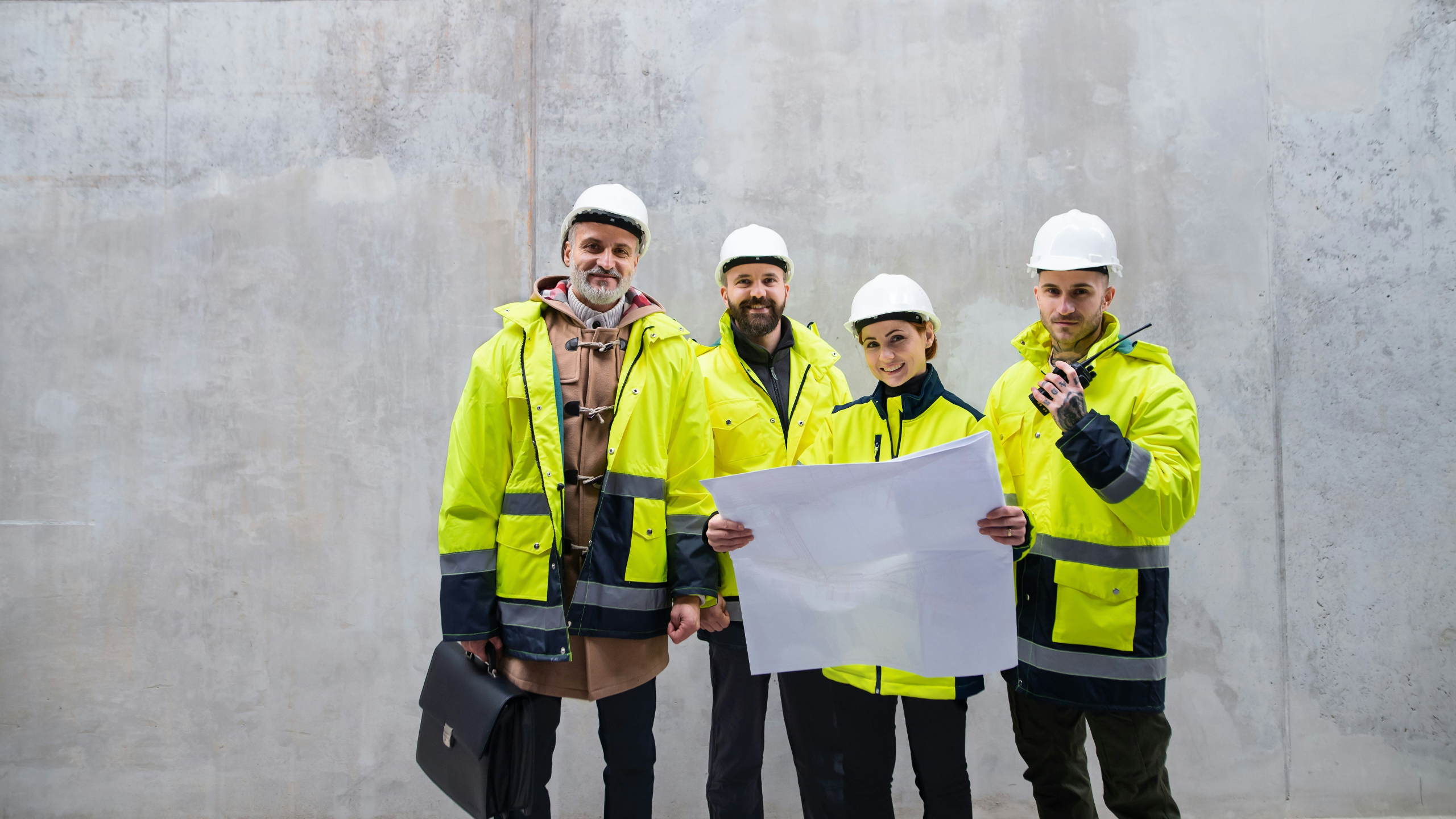
Construction Leadership (Statewide)
Upskilling Leaders Program (workshps + 1:1 coaching)
A Tasmanian construction and joinery business invested in a leadership program across two statewide cohorts to strengthen leadership capability in high-pressure operational environments.
The program combined practical workshops with 1:1 coaching to embed learning into real leadership situations.
Impact:
- ~90% rated workshops as highly relevant and valuable
- ~90% reported coaching improved self-awareness, well being, and leadership capacity
- ~90% would recommend the program
Reported shifts included:
- Less reactivity and more considered responses
- Clearer communication, expectations, and delegation
- More direct and constructive conflict engagement
These shifts are contributing to more stable teams, stronger working relationships, and improved leadership consistency.
Ready to develop leaders who can meet complexity with clarity?
Let’s talk about how Leader Formation could work for your organisation.



About Ben Pangas
Ben Pangas works with leaders who carry significant responsibility for people and culture within their organisations.
His approach combines leadership coaching, reflective practice, and practical leadership development to help leaders navigate pressure without losing clarity, integrity, or relational strength.
Ben has worked with leaders across a range of sectors and is known for creating thoughtful, honest spaces where leaders can engage deeply with the real challenges of leadership.


Qualified
Master’s-trained coaching psychologist and accredited counsellor—deep experience across leaders, teams, and organisations.

Evidence Based
Grounded in contemporary research across coaching psychology, adult development, and organisational systems.

Developmentally Informed
Our work is guided by adult-development theory, supporting leaders to grow not just skills, but capacity.

Collective Learning
Individual insight becomes shared language inside teams and cohorts—building capability across organisations, not just within one person.